
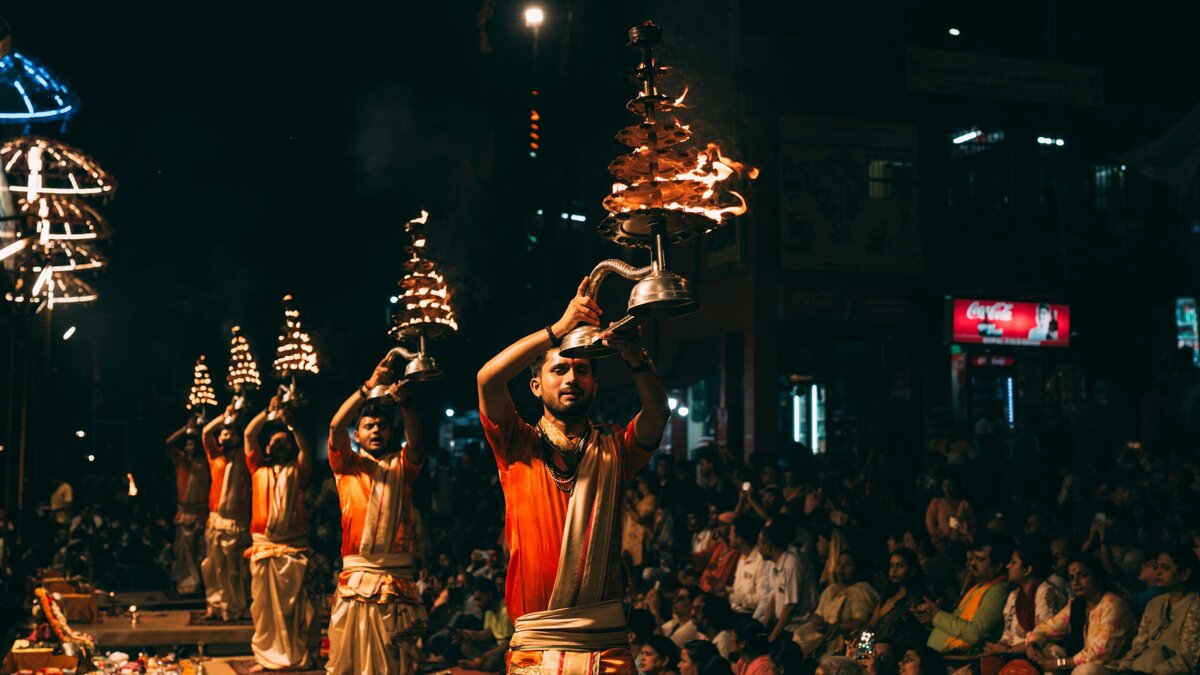
Biggest Mistakes Tourists Make in Varanasi, the eternal city where spirituality flows as endlessly as the sacred Ganges, offers transformative experiences that linger in hearts and souls long after departure. Yet countless visitors return from this ancient holy city feeling disappointed, overwhelmed, or cheated—not because Varanasi failed to deliver its magic, but because preventable mistakes transformed what should have been enlightening journeys into frustrating ordeals. Understanding the most common errors tourists make in Varanasi empowers you to sidestep these pitfalls, ensuring your visit captures the city’s profound spiritual essence while avoiding unnecessary stress, wasted money, and missed opportunities.
From navigation challenges in labyrinthine lanes to cultural misunderstandings at sacred ghats, from aggressive touts to timing mishaps that ruin photography, these mistakes range from minor inconveniences to trip-ruining disasters. The good news? Nearly all are completely avoidable with proper preparation and local knowledge. This comprehensive guide reveals the biggest blunders tourists make in Varanasi and, more importantly, provides practical solutions ensuring your sacred journey unfolds exactly as you’ve dreamed.
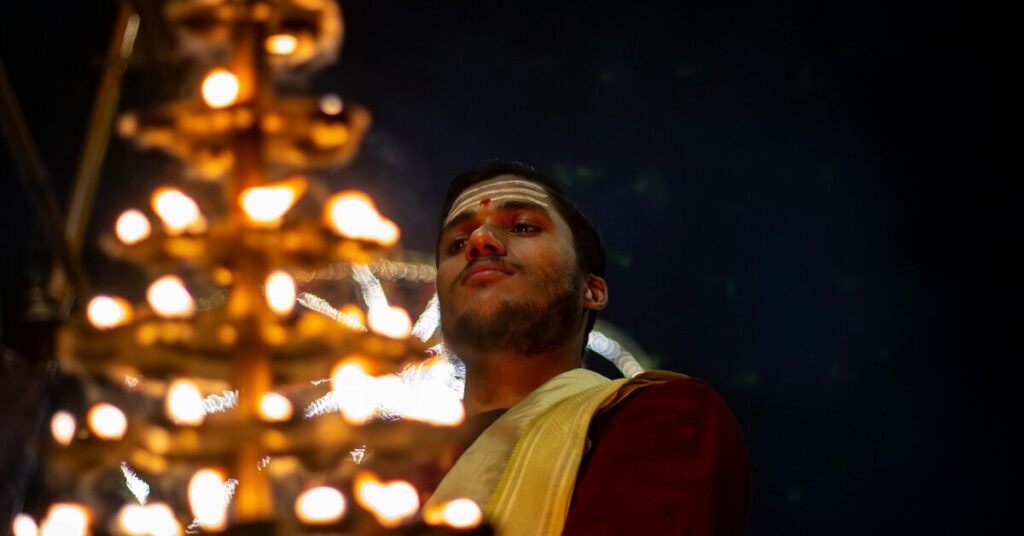
Mistake #1: Arriving Without Understanding Varanasi’s Geography
The Problem:
First-time visitors drastically underestimate Varanasi’s complex layout and navigation challenges. The old city features impossibly narrow lanes (some barely 3 feet wide), unmarked pathways forming intricate mazes, inconsistent street signage, and thousands of similar-looking alleys. Tourists assuming they can easily navigate using Google Maps discover harsh reality—GPS fails in dense old city areas, maps show streets that don’t exist, and digital directions lead to dead ends or staircases.
Common Consequences:
- Getting hopelessly lost for hours in old city lanes
- Missing boat rides, aarti ceremonies, or tour timings due to navigation delays
- Frustration, exhaustion, and wasted precious vacation time
- Falling victim to “helpful” locals who demand payment for unnecessary guidance
- Ending up in completely wrong areas, far from intended destinations
The Solution:
Stay in hotels near major ghats (Dashashwamedh, Assi, Manikarnika) where navigation becomes simpler. Book packages through operators like TripCosmos.co who provide knowledgeable local guides intimately familiar with old city navigation. When exploring independently, memorize major landmarks (prominent temples, specific ghats, distinctive buildings) as reference points. Carry physical maps showing ghat names and major pathways. Most importantly, embrace getting slightly lost as part of the authentic Varanasi experience—some of the city’s most magical moments happen in unexpected lanes.
Allocate extra time for all movements. If a destination seems 10 minutes away, budget 25-30 minutes accounting for navigation complexity, crowded lanes, and inevitable wrong turns.
Mistake #2: Booking Accommodation Far from the Ghats
The Problem:
Budget-conscious tourists often choose hotels in areas like Cantt (Cantonment), Lanka, or other distant neighborhoods because room rates seem attractively lower than riverside properties. While these areas offer modern hotels with good amenities, they’re located 5-15 kilometers from the spiritual heart of Varanasi—the ghats along the Ganges.
Common Consequences:
- Spending ₹500-1,000 daily on auto-rickshaws or taxis for ghat access
- Wasting 1-2 hours daily in traffic and transportation
- Missing spontaneous spiritual moments—early morning boat rides, impromptu aarti
- Inability to return to hotel for midday rest during hot weather
- Feeling disconnected from Varanasi’s authentic spiritual atmosphere
- Transportation costs often exceeding money saved on cheaper accommodation
The Solution:
Prioritize accommodation within walking distance (500 meters maximum) of major ghats. A hotel costing ₹1,500-2,000 more per night near Assi Ghat or Dashashwamedh Ghat delivers superior overall value by:
- Eliminating daily transportation costs (savings: ₹800-1,200 daily)
- Saving 1-2 hours daily for actual experiences versus commuting
- Enabling spontaneous ghat visits anytime
- Allowing midday hotel returns for rest and refreshment
- Immersing you in authentic old city spiritual atmosphere
- Providing rooftop views of Ganga aarti from your hotel
The incremental accommodation cost is the best investment you’ll make in Varanasi, transforming your entire experience from logistically frustrating to spiritually enriching.
Mistake #3: Skipping the Sunrise Boat Ride
The Problem:
Exhausted from travel or seeking extra sleep, many tourists skip or delay morning boat rides, opting for afternoon Ganga visits instead. This single decision represents perhaps the biggest mistake tourists make in Varanasi, as morning boat rides capture the city’s soul in ways afternoon visits simply cannot.
What You Miss:
- Sacred bathing rituals performed by thousands of devotees at sunrise
- Pandits conducting morning pujas along the ghats
- Cremation ghats’ authentic atmosphere before tourist crowds arrive
- Soft golden lighting perfect for photography
- Peaceful, contemplative energy impossible to find later
- Yoga practitioners on ghat steps greeting the sun
- The profound spiritual atmosphere that makes Varanasi legendary
- Morning chants and temple bells creating ethereal soundscapes
The Solution:
Set your alarm for 4:30-5:00 AM regardless of how tired you feel. Trust that witnessing sunrise on the Ganges will rank among your life’s most memorable moments. Book sunrise boat rides through your hotel or tour operator the evening before, ensuring boat availability and fair pricing (₹500-800 for shared boats, ₹1,500-2,500 for private boats with 1-hour ride).
Dress in layers (mornings can be cool, especially October-February), bring a camera, and prepare for sensory and spiritual overload. The early wake-up seems challenging, but you’ll thank yourself throughout your life for not missing this quintessential Varanasi experience.
Mistake #4: Visiting Only Dashashwamedh Ghat
The Problem:
Dashashwamedh Ghat dominates tourist itineraries due to its famous evening aarti. While spectacular, focusing exclusively on this single ghat means missing Varanasi’s diverse spiritual landscape spread across 80+ ghats, each offering unique character, significance, and experiences.
What You Miss:
- Assi Ghat’s relaxed atmosphere and contemporary spiritual energy
- Manikarnika Ghat’s profound cremation ceremonies offering mortality perspectives
- Scindia Ghat’s partially submerged temple and quiet contemplation spots
- Harishchandra Ghat’s ancient cremation traditions
- Tulsi Ghat’s literary and historical significance
- Panchganga Ghat’s confluence of five sacred waters
- Smaller ghats offering intimate spiritual moments without crowds
The Solution:
Dedicate time exploring multiple ghats, each revealing different facets of Varanasi’s spiritual identity. Morning boat rides naturally showcase ghat diversity. Additionally, walk the ghat steps in the late afternoon, experiencing each location’s unique atmosphere. Quality tour packages include comprehensive ghat coverage with guides explaining individual significance.
Create your personal favorites—perhaps Assi Ghat’s sunset ambiance speaks to you more than Dashashwamedh’s theatrical aarti, or Manikarnika’s profound mortality lessons resonate deeper than tourist-packed locations.
Mistake #5: Falling for Boat Scams and Overpricing
The Problem:
Unauthorized boat operators aggressively approach tourists, quoting exorbitant prices (₹3,000-5,000 for standard 1-hour rides worth ₹500-800), claiming they’re “special boats” or including unnecessary add-ons. Inexperienced tourists, unfamiliar with fair pricing, often pay 5-10x correct rates.
Common Scams:
- “Sunrise special” boats charging premiums for standard services
- Forcing longer rides (2-3 hours) when you wanted 1 hour
- Adding “guide fees” not discussed initially
- Taking circuitous routes to justify inflated prices
- Demanding tips aggressively after overcharging for the service
- “Private boat” claims when shared boats cost much less
The Solution:
Always book boat rides through your hotel, tour operator, or established ghat boat associations displaying clear rate boards. Standard pricing:
- Shared sunrise boat ride: ₹200-400 per person (1 hour)
- Private boat ride: ₹500-800 (1 hour, fits 4-6 people)
- Extended rides: ₹1,000-1,500 (2 hours)
- Sunset cruises: ₹600-1,000 private
Negotiate and confirm prices, duration, and route BEFORE boarding. If rates seem excessive, simply walk away—legitimate operators abound. Companies like TripCosmos.co include boat rides in packages at fair negotiated rates, eliminating haggling stress and ensuring quality experiences.
Mistake #6: Inappropriate Dress at Temples and Sacred Sites
The Problem:
Tourists wearing shorts, sleeveless tops, revealing clothing, or beachwear-style outfits at temples and ghats face denied entry, uncomfortable stares, disrespectful treatment, and diminished spiritual experiences. While Varanasi welcomes visitors, sacred sites maintain dress code expectations tourists often ignore.
Common Consequences:
- Temple entry denial requiring return to hotels for clothing changes
- Stares, comments, or confrontations from locals and priests
- Photography restrictions applied more strictly to inappropriately dressed visitors
- Missing scheduled tours or aarti ceremonies due to dress code violations
- Feeling uncomfortable and disrespected in sacred spaces
- Reinforcing negative stereotypes about disrespectful foreign tourists
The Solution:
Pack and wear modest traditional or conservative clothing:
For Men:
- Long trousers (not shorts or three-quarter pants)
- Shirts with sleeves (kurta-pajama ideal)
- Remove shoes before temple entry (carry socks for hot stones)
- Avoid sleeveless vests, tank tops, or revealing tops
For Women:
- Sarees, salwar-kameez, or long kurtas with leggings/churidars
- Skirts or dresses covering knees and shoulders
- Scarves/shawls for covering heads at certain temples
- Avoid shorts, short skirts, sleeveless tops, low-cut tops
- Remove shoes before temple entry
When in doubt, observe what local devotees wear and follow their example. Respecting dress codes isn’t about suppressing personal expression—it’s about honoring sacred spaces and ensuring your spiritual access remains unimpeded.
Mistake #7: Missing Sarnath Completely
The Problem:
Tourists allocating insufficient time in Varanasi often skip Sarnath—the location where Buddha delivered his first sermon and one of Buddhism’s four most sacred sites. This oversight means missing world-class archaeological sites, peaceful meditation gardens, and profound Buddhist heritage complementing Varanasi’s Hindu spirituality.
What You Miss:
- Dhamek Stupa where Buddha taught the Dharma Wheel
- Extensive archaeological ruins of ancient monasteries
- Excellent museum housing Buddhist art and artifacts
- Multiple functioning Buddhist temples representing various traditions
- Peaceful gardens perfect for meditation and contemplation
- Cultural diversity showing India’s multi-religious heritage
- Deeper understanding of Varanasi’s complete spiritual landscape
The Solution:
Allocate minimum half-day for Sarnath (located just 12 kilometers from Varanasi). Morning visits work best—explore sites by 11 AM before midday heat, return to Varanasi for lunch and afternoon rest. Quality tour packages include Sarnath in itineraries with knowledgeable guides explaining Buddhist philosophy and historical context.
Sarnath offers refreshing contrast to Varanasi’s intense energy—peaceful, contemplative, less crowded, and spiritually profound. Don’t let proximity fool you into skipping this remarkable World Heritage site.
Mistake #8: Attending Ganga Aarti Without Strategy
The Problem:
Tourists arrive at Dashashwamedh Ghat for evening aarti 5-10 minutes before the 6:30 PM ceremony starts, discovering massive crowds (5,000-10,000 people), zero viewing spots, aggressive pushing, pickpocket risks, and complete inability to experience the ceremony they traveled thousands of miles to witness.
Common Consequences:
- Standing far back seeing only distant flames and lights
- Phone cameras capturing nothing but heads of people in front
- Getting separated from family/friends in crushing crowds
- Missing the spiritual essence amid chaos and frustration
- Pickpocketing in dense crowds (phones, wallets commonly stolen)
- Giving up and leaving without experiencing aarti properly
- Feeling disappointed by Varanasi’s signature event
The Solution:
Multiple Strategies for Great Aarti Experiences:
- Arrive 60-90 Minutes Early: Claim front-row ghat steps by 5:00 PM for 6:30 PM ceremony. Yes, it’s a long wait, but guarantees perfect views. Bring water, light snacks, and patience.
- Book Hotel Rooftop Views: Several riverside hotels offer rooftop aarti viewing (₹200-500 per person) providing elevated perspectives without crowd chaos. Book reservations in advance.
- Private Boat Viewing: Watch aarti from boats on the Ganges (₹1,000-2,000 for private boat) offering unique water-level views and avoiding ghat crowds entirely.
- Explore Alternative Aarti Locations: Assi Ghat hosts smaller, equally beautiful aarti ceremonies with 90% fewer crowds, offering intimate spiritual experiences many consider superior to Dashashwamedh’s tourist spectacle.
- Use Professional Tour Operators: Companies like TripCosmos.co secure reserved viewing spots or arrange optimal alternatives, ensuring you experience aarti beautifully without stress.
Mistake #9: Trusting Random “Guides” and Touts
The Problem:
Friendly locals approaching tourists near temples, ghats, or hotels offering “free tours” or “special help” represent Varanasi’s most persistent tourist trap. These unauthorized individuals lead tourists to commission-based shops, demand payment for “services” never requested, or create elaborate scams extracting money.
Common Scams:
- “Free tours” ending with aggressive demands for ₹2,000-5,000 payment
- Leading to silk shops claiming “just looking” but pressuring purchases
- Fake priest scams at temples demanding donations for elaborate fake pujas
- Boat operators claiming all others are “closed” or “full”
- Restaurant recommendations to commission-paying establishments
- False information designed to confuse and create dependency
The Solution:
Never accept services from self-appointed guides approaching you unsolicited. If you want guided tours, book through:
- Your hotel’s official tour desk
- Verified tour operators like TripCosmos.co
- Government-authorized guides with official ID badges
- Established tour agencies with physical offices
Politely but firmly decline all unsolicited “help” using phrases like “No thank you, I have a guide” or simply “No, thank you” repeatedly without engagement or explanation. Arguing or providing reasons invites persistent pressure.
Licensed guides charge ₹1,500-2,500 for full-day professional services—fair pricing for legitimate expertise versus free scams leading to expensive problems.
Mistake #10: Overpacking and Bringing Valuables
The Problem:
Tourists hauling large suitcases through narrow lanes, carrying expensive cameras openly, wearing flashy jewelry, or bringing valuables to ghat visits create multiple problems—physical difficulty navigating crowded spaces, theft targets, damage to expensive items, and unnecessary stress protecting possessions.
Common Consequences:
- Struggling through 3-foot-wide lanes with oversized luggage
- Cameras damaged by crowds, water spray, or accidental knocks
- Jewelry snatched in crowded areas (especially during aarti)
- Phones pickpocketed in dense gatherings
- Expensive items damaged by Ganges water during boat rides
- Constant anxiety about possessions rather than spiritual immersion
- Hotel safe space limitations for too many valuables
The Solution:
Pack Minimally:
- One small bag or backpack for Varanasi exploration
- 3-4 modest outfit changes
- Comfortable walking shoes plus slip-on shoes (frequent removal for temples)
- Basic toiletries (high-quality items available locally if needed)
- Essential medications only
Leave Valuables Secured:
- Expensive jewelry at home or hotel safe
- Basic phone adequate (don’t bring latest iPhone for ghat visits)
- Single credit card plus limited cash (₹3,000-5,000 daily maximum)
- Keep passport, extra cash, important documents in hotel safe
For Ghat/Boat Visits:
- Waterproof phone case for Ganga spray protection
- Small crossbody bag keeping hands free
- Minimal cash for offerings and small purchases
- Simple camera if photography important (action cameras ideal)
Travel light, stay present, and immerse fully in spiritual experiences without constant possession anxiety.
Mistake #11: Expecting Western Standards and Comforts
The Problem:
Tourists arriving with expectations of Western hygiene standards, infrastructure efficiency, or service precision experience culture shock that spoils their Varanasi experience. The eternal city operates on its own ancient rhythms, prioritizing spiritual depth over material comfort.
Reality Checks:
- Narrow lanes accumulate garbage (limited vehicle access for collection)
- Public restrooms vary dramatically in cleanliness
- Aggressive monkeys roam freely (sometimes snatching food)
- Cows block pathways (sacred animals with right-of-way)
- Chaos and noise define the sensory experience
- Cremation smoke and ash visible at burning ghats
- River water is sacred but highly polluted
- Electricity and water supply can be inconsistent
The Solution:
Adjust Expectations and Embrace Difference:
- Research Varanasi realities before arrival, setting appropriate expectations
- Focus on spiritual and cultural richness rather than material perfection
- Stay in quality hotels providing comfortable clean bases amid old city chaos
- Bring hand sanitizer, wet wipes, and basic hygiene products
- Accept that Varanasi’s authentic character includes elements uncomfortable to Western sensibilities
- Remember you’re visiting one of world’s oldest living cities—antiquity includes imperfection
Tourists embracing Varanasi’s raw authenticity often find it their most transformative travel experience. Those demanding Western standards throughout feel perpetually disappointed.
Mistake #12: Not Trying Local Street Food (Safely)
The Problem:
Fear of illness causes many tourists to completely avoid Varanasi’s legendary street food culture, missing one of the city’s greatest pleasures. While caution is wise, total avoidance means missing kachori-sabzi, chaat varieties, lassi, malaiyo (seasonal dessert), and countless delicacies defining Varanasi’s culinary soul.
The Balance:
Avoid High-Risk Items:
- Unpeeled fruits
- Raw vegetables and salads
- Ice in drinks (unless from trusted sources)
- Street vendor water
- Foods sitting unrefrigerated for hours
Enjoy Lower-Risk Delicacies:
- Freshly fried items (kachori, jalebi, samosa)
- Cooked-to-order chaat
- Famous Blue Lassi at Assi Ghat (iconic, clean establishment)
- Banarasi paan (betel leaf preparation)
- Hot chai from established vendors
- Sweets from reputable sweet shops
Safety Guidelines:
- Choose vendors with obvious high turnover (fresh food prepared continuously)
- Observe local customers—where locals eat regularly is typically safe
- Start with small portions, assessing tolerance before indulging
- Carry digestive tablets and stomach medicine as precaution
- Stay hydrated with bottled water
- Ask hotel staff or tour guides for specific vendor recommendations
Making Your Varanasi Journey Flawless
Varanasi offers spiritual experiences, cultural richness, and transformative moments unmatched globally. The difference between disappointing visits and life-changing journeys often reduces to avoiding these common mistakes through preparation, cultural sensitivity, and smart planning.
TripCosmos.co designs Varanasi experiences specifically avoiding these pitfalls—strategically located accommodations, professional guides, fair pricing, comprehensive coverage, and local expertise ensuring you capture Varanasi’s magic while sidestepping frustrations that diminish other tourists’ experiences.
The eternal city awaits with its sacred flames, flowing Ganges, ancient ghats, and timeless spiritual energy. Approach with preparation, respect, and openness, avoiding these common errors, and Varanasi will reward you with memories, insights, and transformation that resonate throughout your lifetime.
Frequently Asked Questions (FAQs)
Q1: What is the single biggest mistake first-time tourists make in Varanasi?
Skipping the sunrise boat ride is the most regrettable mistake. Morning boat rides capture Varanasi’s spiritual essence—sacred bathing rituals, cremation ceremonies, golden lighting, and peaceful energy—impossible to experience later. Tourists sleeping in miss the single most memorable Varanasi experience. Always wake early (4:30-5:00 AM) for sunrise boat rides regardless of tiredness. This decision determines whether you merely visit Varanasi or truly experience its soul.
Q2: How can I avoid getting scammed by boat operators and touts in Varanasi?
Book all services (boats, guides, tours) through your hotel, established tour operators like TripCosmos.co, or government-authorized providers with official credentials. Never accept unsolicited offers from people approaching you on streets or ghats. Know fair prices: shared boat rides cost ₹200-400 per person, private boats ₹500-800 for 1 hour. Confirm all terms before accepting services. Politely but firmly decline pushy vendors—”No thank you” repeated without explanation works best.
Q3: Is it safe for solo female travelers to visit Varanasi?
Yes, with appropriate precautions. Varanasi is generally safe for solo female travelers who dress modestly, stay in reputable accommodations, avoid isolated areas after dark, and use trusted guides/operators. The crowded nature provides safety through visibility. Book tours through established companies, inform hotel staff of your plans, keep someone updated on your location, and trust your instincts. Modest traditional clothing (salwar-kameez, long kurtas) minimizes unwanted attention. Thousands of women visit Varanasi solo annually without incident.
Q4: How many days do I need in Varanasi to avoid missing important experiences?
Minimum 2 full days (3 nights) allows covering essential experiences: sunrise boat ride, major temples, evening Ganga aarti, Sarnath excursion, and some old city exploration. Comfortable itineraries require 3-4 days allowing deeper immersion without rushing. Weekend trips (2 days/1 night) capture core experiences but feel compressed. Week-long stays enable thorough exploration, meditation, spiritual practices, and truly absorbing Varanasi’s rhythms. Quality matters more than quantity—even 2 well-planned days beats 5 days of poor planning.
Q5: What’s the best area to stay in Varanasi for first-time visitors?
Stay within walking distance of major ghats—Assi Ghat area or between Dashashwamedh and Manikarnika Ghats. Assi Ghat offers slightly quieter atmosphere with cafes, restaurants, and younger traveler energy while maintaining ghat proximity. Areas near Dashashwamedh place you in the spiritual heart with immediate access to famous aarti but involve more crowds and noise. Avoid distant areas like Cantonment despite seemingly better hotels—transportation costs and time waste negate any savings. Prioritize location over amenities for authentic Varanasi experiences.



[…] Religious Tour Packages India , The profound spiritual transformation you seek need not come at the cost of comfort, elegance, or world-class amenities. […]
[…] specialist, we’ve perfected the art of crafting sophisticated experiences where three days allow genuine depth of engagement with this ancient city’s spiritual heritage, architectural beauty, and living traditions—all […]